Vintage Stores: Modern Take On Seconhand Goods
Category: Sustainability in fashion
08/12/2025
Voeg je koptekst hi
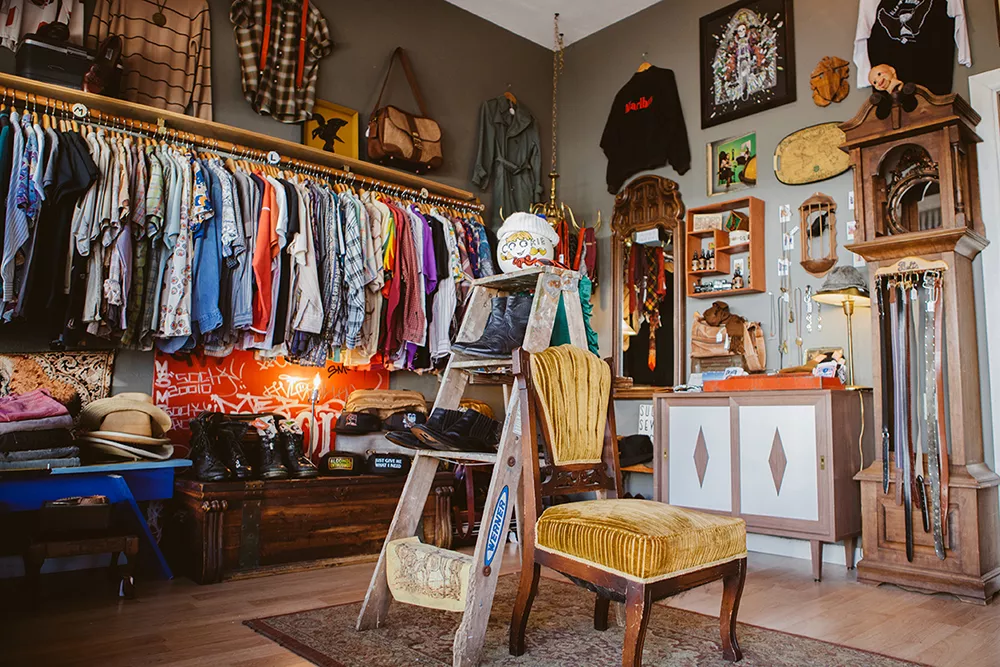
Vintage stores provide a fresh and modern perspective on second-hand items, whether clothing, furniture, or other treasures. Instead of being discarded, underused clothes and objects are given the chance to live a second life. In this blog, we’ll dive into this phenomenon and explore how truly sustainable vintage shopping can be.
Vintage shopping prioritises the reuse of existing items rather than purchasing new production. This approach encourages consumers to value quality, durability, and uniqueness over fast trends or seasonal fashion. It’s a way of consuming that celebrates individuality while reducing waste.
By purchasing second-hand goods, shoppers help limit the demand for new products, which are often linked to significant environmental impacts. While vintage shopping may not be the sole solution to sustainability, it represents a powerful step toward reducing the ecological footprint of consumerism.
Environmental Benefits of Buying Vintage
- Reduction in Waste: Each year, around 84% of used textiles end up in landfills. Vintage shopping helps divert clothing from waste streams and gives garments a second life.
- Conservation of Resources: Choosing vintage means avoiding the resource-intensive process of producing new fabrics and dyes, which consume vast amounts of water and chemicals.
- Lower Carbon Footprint: Vintage shopping reduces the carbon emissions tied to manufacturing and shipping new garments, aligning with the growing shift toward low-carbon lifestyles.
As the world becomes more interconnected, vintage stores are reaching broader audiences through online platforms and digital marketplaces. This expansion allows people everywhere, even those without access to local vintage shops, to participate in sustainable shopping from afar.
So, what does this mean for you? It means that supporting the planet can be as simple as choosing underused products over new ones. Vintage isn’t just about fashion, it’s about making conscious choices that benefit both your style and the world around you.